Interpreting economy, politics, culture, and ecology in a rapidly changing world.
The Global Studies Research Network convenes scholars, practitioners, and policymakers to map and interpret the patterns and disruptions of globalization—from shifting trade and finance to migration, media, and climate risk. It is a member-based, scholar-led platform advancing rigorous, interdisciplinary research and dialogue.
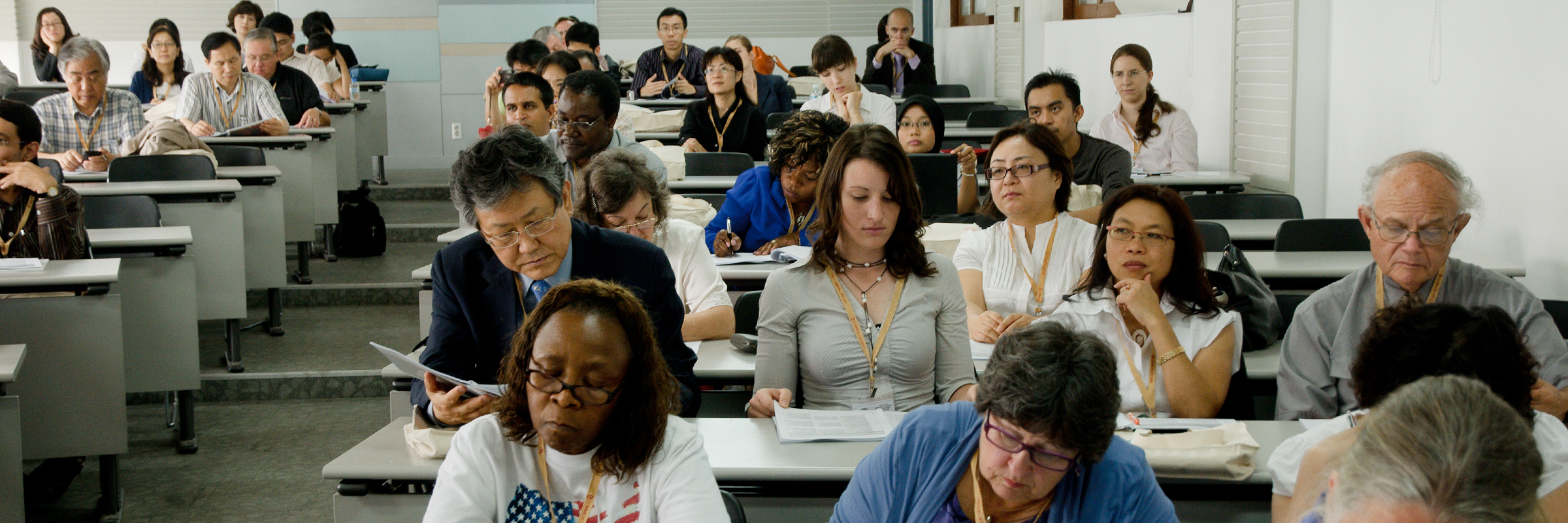
Third Global Studies Conference, Pusan National University, Pusan, South Korea (2010)
Our Platforms
Our Platforms
Founded in 2008, the Global Studies Research Network was created to bring together scholars, practitioners, and policymakers examining how global systems are reshaped by shifting economies, mobilities, technologies, and environmental pressures. From its early conferences in Chicago, Dubai, and Seoul to more recent gatherings in Granada, Singapore, Kraków, Athens, Oxford, and Málaga, the Network has grown into a leading forum for interpreting the dynamics of contemporary globalization. Its community explores how power, identity, governance, and ecological interdependence intersect across regions—linking case-based research with broader conceptual debates about the “new globalizations” of the twenty-first century.
Annual Conference
The International Conference on Global Studies is hosted each year with a partner university or research institute. Recent and forthcoming venues include National University of Singapore (Singapore), University of Granada (Spain), Jagiellonian University (Poland), National and Kapodistrian University of Athens (Greece), Oxford Brookes University (UK), and University of Málaga (Spain). Each edition develops a Special Focus that addresses emerging global issues—from migration and digital societies to climate risk, political transitions, and economic restructuring—creating an interdisciplinary space for rigorous exchange across fields and regions.
Journal
The International Journal of Interdisciplinary Global Studies publishes peer-reviewed, hybrid open access research that investigates new patterns in globalization. The journal welcomes empirical, comparative, and theoretical work examining global processes in economy, governance, culture, media, technology, and environment. Articles situate today’s global transformations within longer histories of integration and fragmentation, and undergo double-anonymous, rubric-guided peer review to support conceptual clarity, methodological rigor, and relevance for diverse global studies audiences.
Book Imprint
The Global Studies Book Imprint publishes monographs and edited collections that extend debates beyond article length—advancing scholarship on global governance, transnational economies, migration and diaspora, cultural exchange, digital infrastructures, and ecological interdependence. The imprint welcomes broad and niche topics alike, emphasizing inclusive authorship and offering open access pathways to increase global visibility and impact.
Online Member Knowledge Community
The Global Studies Research Network’s Member Knowledge Community on CGScholar serves as a year-round environment for collaboration, keeping profiles, projects, and conversations active between conferences. Members share papers, comparative studies, fieldwork reflections, and thematic projects in a multimodal authoring space supported by light, community-guided review. This integrated platform links annual conference presentations with journal and book publication, forming a continuous research ecosystem across economy, politics, culture, mobility, and ecology.
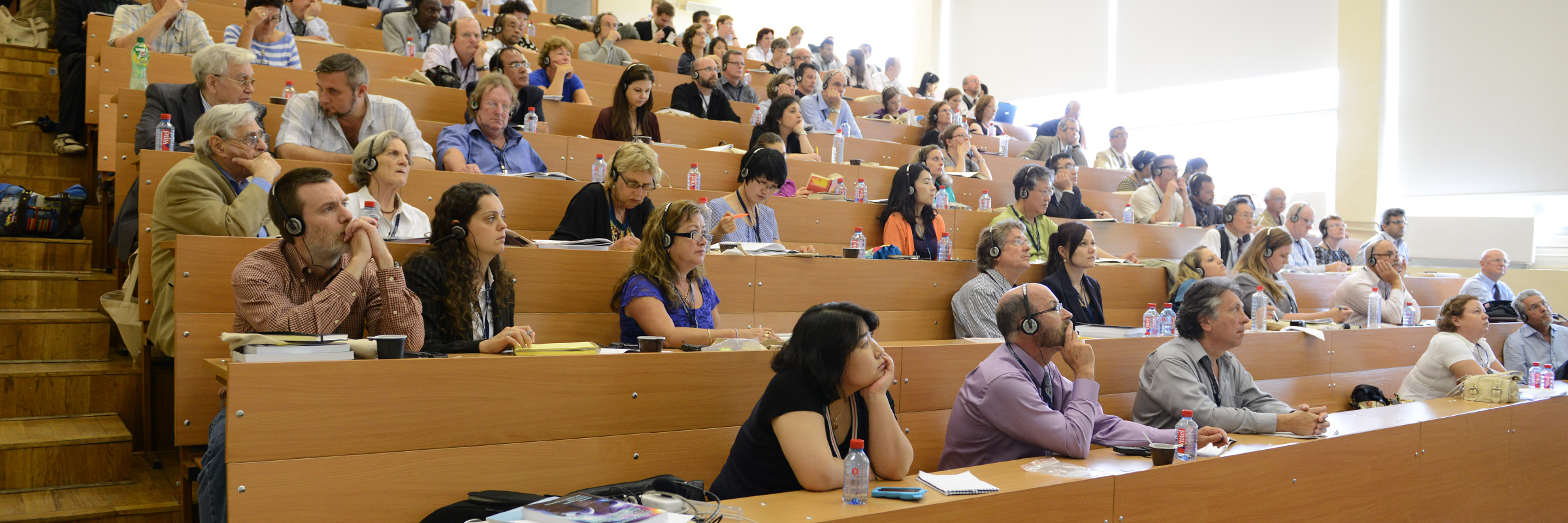
Fifth Global Studies Conference, Moscow State University, Moscow, Russia (2012)
Leadership
The Network is chaired by Dr. Rafal Soborski (Richmond American University London, (London, UK), building on founding leadership by Dr. Jan Nederveen Pieterse (2008–2019). Their stewardship reflects a global commitment to rigorous, inclusive scholarship on economy, power, culture, and ecology in the “new globalization.”
Dr. Rafal Soborski
Professor, International Politics, Richmond American University London, UK
Partnerships extend the Network’s scholar-led mission—linking universities and institutes that share our commitment to reimagining globalization. Past and ongoing collaborations include:
National University of Singapore
Singapore
University of Granada
Granada, Spain
Jagiellonian University
Krakow, Poland
National and Kapodistrian University of Athens
Athens, Greece
Oxford Brookes University
Oxford, UK
University of Málaga
Málaga, Spain
Sorbonne Université
Paris, France
University of Lisbon, Institute of Social and Political Sciences